

Burnout. It’s the crushing exhaustion, the persistent sense of failure, and the nagging question, “Why am I doing this?” If you’re feeling this way, the problem might not be with you—but with the type of purpose you’re pursuing.
Take it from someone who knows: when I was seven years old, my father—a beloved oncologist—passed away. In my childlike mind, I believed his death was somehow my fault. I wasn’t “enough.” To fix this cosmic tragedy, I decided I’d follow in his footsteps, becoming a doctor to right the universe’s wrongs and save lives.
This became my “Big P Purpose”: to bring meaning to my father’s death and save the world through medicine. For years, this drove me. Through high school, college, medical school, and into my practice as a physician, my purpose felt noble. But over time, I realized I was deeply unhappy.
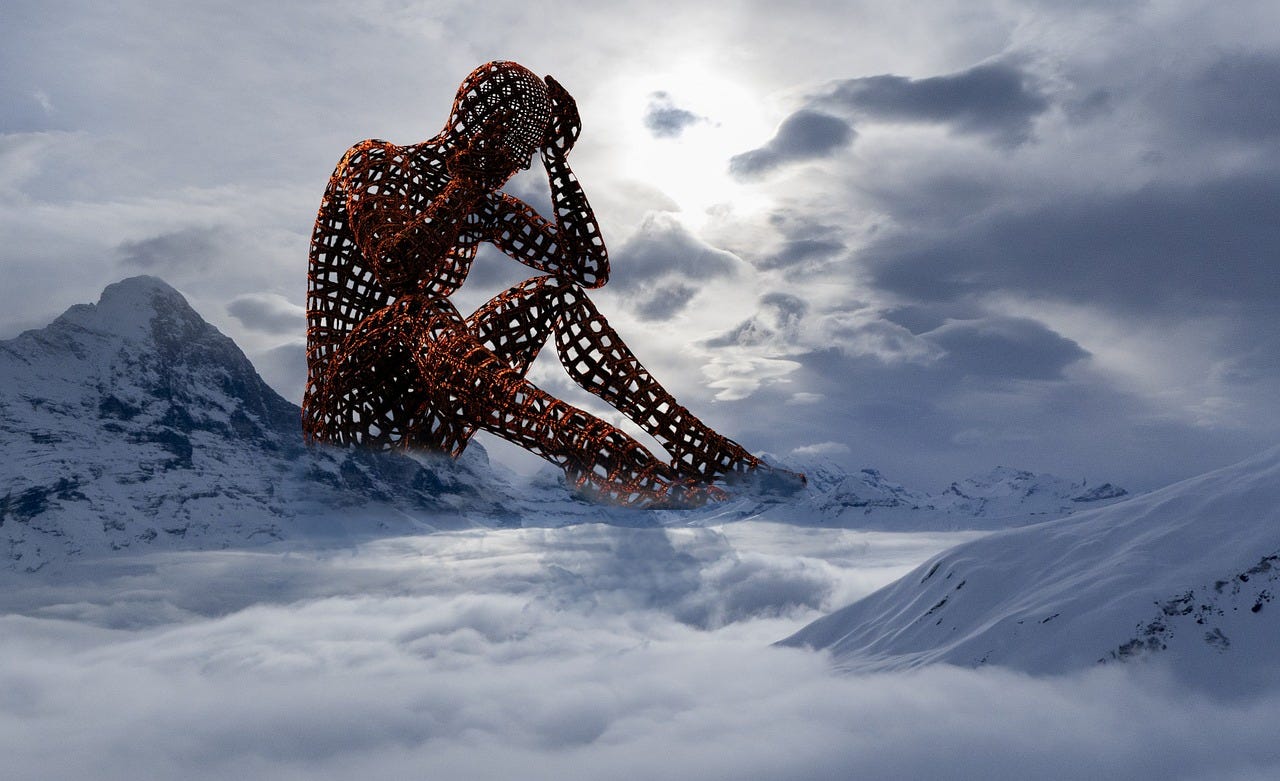
I didn’t love the day-to-day work of being a doctor. The long hours, endless paperwork, and middle-of-the-night emergencies drained me. Even when I did help people, the joy was fleeting. And my two big goals—somehow undoing my father’s death and saving the world? Both were unattainable.
This is the trap of Big P Purpose: the audacious, world-changing goals we set for ourselves to prove our worth. The problem? When we fail, we feel like we’ve let the world (and ourselves) down. And when we succeed, we’re often so exhausted by the process that the achievement feels hollow.
For me, the burnout came from two things:
Unmet expectations. No amount of patients saved could undo my father’s death. The void remained.
A lack of joy in the process. Even on good days, I didn’t enjoy the grind.
Big P Purpose often demands endless striving. You save one life, and there’s always another person to save. You launch a successful product, and there’s pressure to top it. It’s a treadmill of “never enough.”
The Cure for Burnout: Little P Purpose
The antidote to burnout isn’t abandoning purpose—it’s redefining it. Enter “Little P Purpose.”
Little P Purpose is process-oriented. It’s about finding joy in the actions themselves, not just the outcomes. It’s the difference between working hard because you love what you do versus grinding endlessly for a goal that doesn’t light you up.
Think of a startup founder who’s obsessed with their mission. They’re energized by the brainstorming, problem-solving, and late-night hustle. They might work 80-hour weeks but feel fulfilled. Contrast that with someone slogging through a career that feels like an obligation—like me in medicine. Same hours, vastly different experiences.
When you incorporate Little P Purpose into your life—whether in your career or personal life—it becomes a powerful buffer against burnout. You’re less exhausted because the process itself recharges you.
What This Means for Career Longevity and Wealth
Burnout doesn’t just steal your joy—it shortens your career. If you’re emotionally drained, you’re more likely to step away from work early, missing out on opportunities to build wealth, grow professionally, or find fulfillment.
Injecting Little P Purpose into your life extends your career and increases your happiness. Maybe you can’t change your job entirely, but can you add elements of joy—creative projects, meaningful interactions, or hobbies that excite you? These shifts can transform how you experience your work and life.
So, if you’re feeling burnt out, ask yourself: Am I chasing Big P Purpose, trying to prove my worth with grand achievements? Or can I focus on Little P Purpose, finding joy in the process and letting it guide me toward a more fulfilling, sustainable life?
Because here’s the truth: Happiness isn’t in the next big win. It’s in the small, joyful moments along the way.
A Purpose-Filled Life Is a Happier Life.
Which type of purpose are you chasing? Let me know in the comments—I’d love to hear your story.
Today’s Poll
Did you catch this week’s episode of Earn & Invest (Click to listen)?

The Purpose Code is Now Available!

Great piece. Question: can you have Big P purpose that includes little p’s along the way? I had a job where I enjoyed many small parts even if I felt burned out with always needed to do more and more to prove myself.