

Today is Christmas, a time when generosity takes center stage. While generosity is undeniably important, I want to challenge the notion that it should serve as our version of purpose, connection, or meaning. In fact, I believe that relying on generosity in this way can be limiting. Let me explain.
Generosity undeniably makes the world go round. It feels good to help others and share what we have. However, equating generosity with purpose has its pitfalls. Here’s why.
The Limits of Generosity as Purpose
It Might Not Light You Up Just because you’re being generous doesn’t mean you’re doing something that truly excites or fulfills you. This is where the idea of “little P Purpose” comes in. Little P Purpose is about finding joy in the process of what you’re doing—things that genuinely light you up. It’s a bit self-centered, but in the best way. When your focus is solely on helping others, it can sometimes detract from the fulfillment you’d experience by pursuing what you’re passionate about.
Over time, this imbalance can become a slippery slope. What starts as simple acts of generosity—grocery shopping for someone in need, for example—can spiral into a grander, more anxiety-inducing “Big P Purpose.” Suddenly, you’re worrying about your legacy, your impact, and how to scale your efforts. What was once lighthearted becomes a weighty obligation.
Burnout Is Inevitable The second issue with making generosity your purpose is the risk of burnout. Generosity-driven actions, if not rooted in something you truly love, can quickly become exhausting. The more you give without replenishing your own sense of joy and fulfillment, the more likely you are to burn out. And when that happens, the longevity of your generosity is cut short.
It Doesn’t Fill You Up When generosity isn’t aligned with your passions, it can feel draining rather than energizing. Over time, you may find yourself unable to sustain the effort, leaving you less capable of helping others in meaningful ways.

The Role of Little “P” Purpose
If generosity shouldn’t be your purpose, then how does it fit into a purposeful, happy life? The answer lies in focusing on little P Purpose—pursuing activities that you genuinely enjoy and that light you up. When you do this, generosity becomes a natural and joyful side effect.
Here’s why this approach works:
Generosity Flows Naturally: When you engage in activities that excite you, you inevitably interact with others and create opportunities to give back. This form of generosity is more sustainable and impactful because it’s fueled by your own joy.
You’re More Effective: Doing what you love enables you to give from a place of abundance rather than obligation. As a result, your contributions are more meaningful and far-reaching.
A Personal Example
Take my own journey. I once believed that becoming a doctor was the ultimate act of generosity—a career dedicated to helping others. While I succeeded in helping people, the process didn’t light me up. I burned out, unable to sustain the effort despite my best intentions.
Eventually, I pivoted to pursuits I genuinely enjoy, like blogging, public speaking, and podcasting. These activities energized me, and I wasn’t overly focused on the outcomes. Ironically, by following my little P Purpose, I ended up connecting with far more people than I ever could have as a doctor. Today, my work possibly impacts hundreds of thousands of people annually—far more than the 500 patients I could have served each year in medicine. And the best part? This wasn’t even my goal. It was a happy side effect.
Generosity as a Byproduct
In the end, the best way to give back is to become your most intentional, joyful self. Find what lights you up, and let generosity be the ripple effect of your happiness. When you do this, the impact you have on others will be far greater than you could ever imagine.
Today’s Poll
Did you catch this week’s episode of Earn & Invest (Click to listen)?

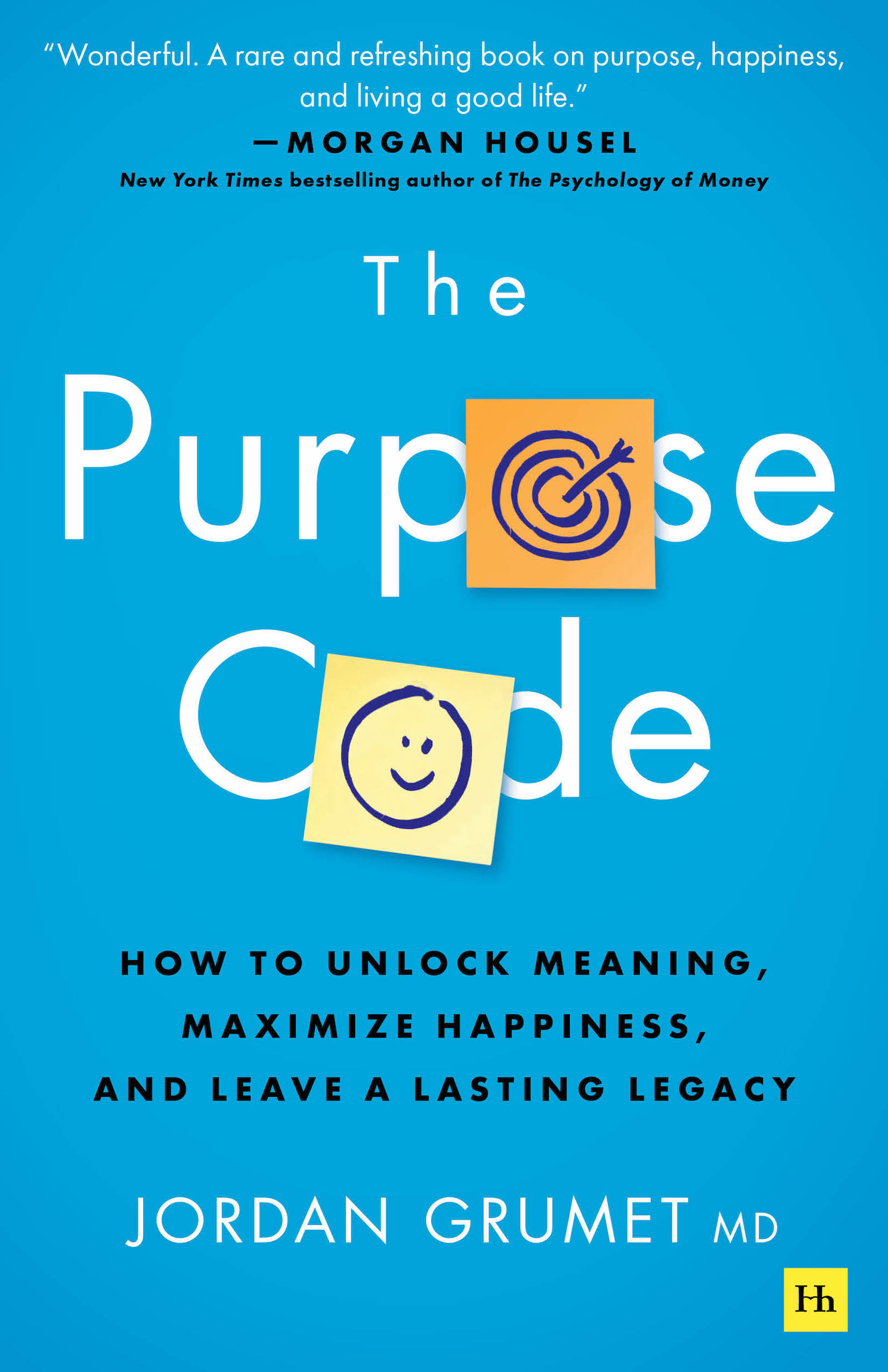
The Purpose Code is Now Available on Preorder!
As mentioned in the above episode, get one free hour of coaching with he purchase of 5 or more copies of my new book, The Purpose Code. This offer is limited to the first twenty people, and only in this preorder period! Just send me proof of purchase and we will schedule your session.
Counterintuitive, but in my experience, very true.
I got locked into doing things because I “should” and they were reinforced heavily by everyone around me.
Turned out, after some separation, I realized I didn’t like doing those things after all (and maybe they also were sometimes more selfish than they seemed).
All that purpose was artificial and a thinly veiled mask for ego.