

If you want to live a happy life, the answer isn’t a mystery—it’s science. According to the Harvard Study of Adult Development, which began in the 1930s and tracked participants for decades, the key to happiness is clear: interpersonal connections. Community. Relationships. The people around you.
So, what’s the plan? Many of us hear this advice and immediately dive into “community-building mode.” We join church groups, sign up for local activities, volunteer in government, and more. But here’s the catch: for most people, this doesn’t work.
Why? Because we misunderstand the kind of community that truly creates happiness. It’s not about just showing up—it’s about showing up on purpose.
The Two Types of Communities
To crack the code on happiness, it’s essential to understand that not all communities are created equal. There are identity communities and communities of internal purpose.
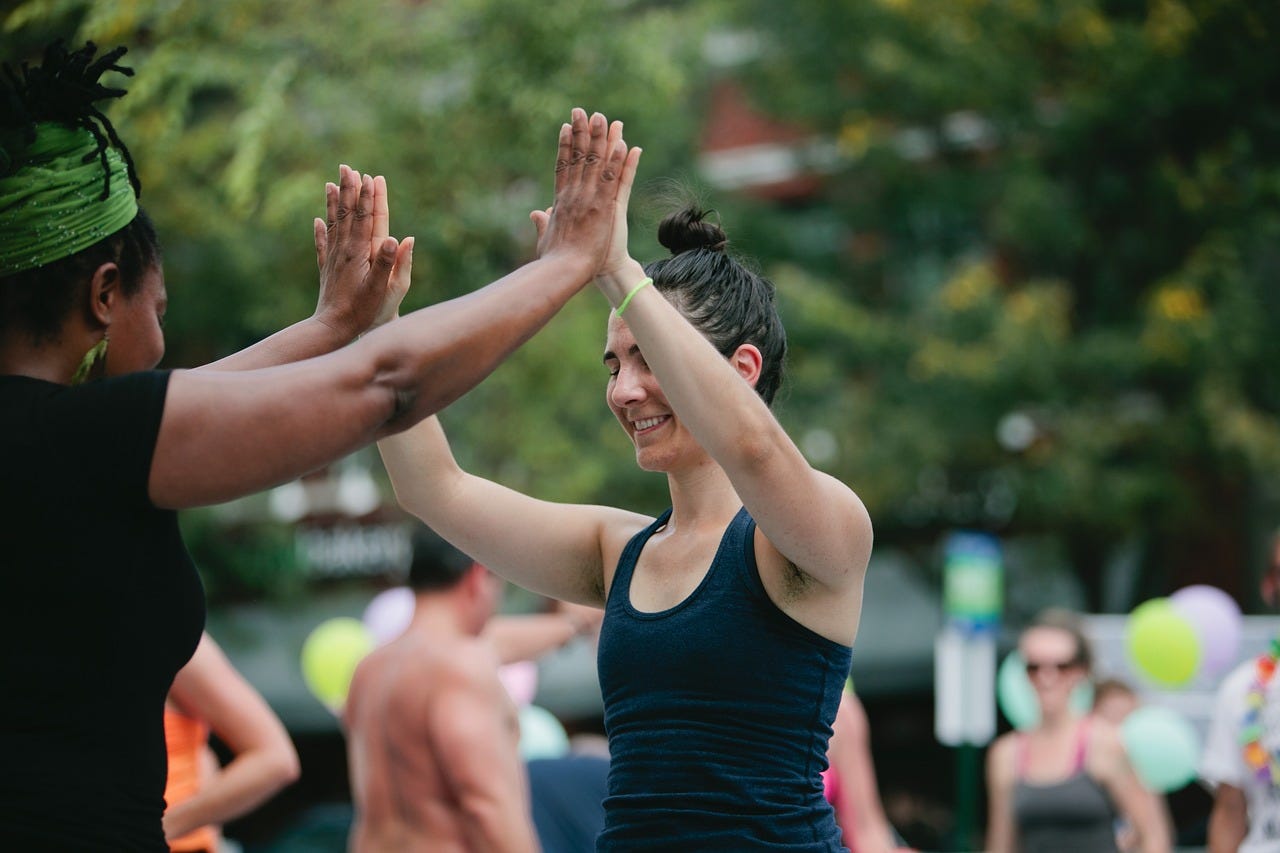
Identity Communities
An identity community is one you’re automatically a part of based on who you are. Your religion, neighborhood, parenting status, ethnicity, sexual orientation—these are identity-based communities.
While identity communities can be supportive, they don’t always light you up. Just being part of a group because of your circumstances or background doesn’t guarantee fulfillment or connection. Sure, you might love and celebrate your identity—your heritage, for instance—and that’s great. But unless it truly sparks joy, being part of an identity community might feel more like an obligation than a source of happiness.
Communities of Internal Purpose
Now, let’s contrast that with communities of internal purpose. These are the groups you choose to join based on something deeper: a shared passion, a love, or a purpose.
These are the Taylor Swift Appreciation Clubs of the world. The Amateur Archaeologist Associations. The personal finance podcasting communities. They’re built around a shared activity, interest, or belief that lights you up and fuels your sense of purpose.
Here’s the magic of these communities: they amplify your joy. When you engage with something that genuinely excites you, you show up as your best self. And when you show up as your best self, people are drawn to you—like moths to a flame. True collaboration, support, and connection naturally follow.
Why Communities Without Purpose Fall Flat
Joining a community simply because it’s there—because it’s part of your identity or it feels like the “right” thing to do—isn’t enough. Without that spark of internal purpose, the connections tend to feel shallow, and burnout sets in.
Think about it: have you ever joined a group or organization and felt out of place? Maybe you thought, “This should make me happy,” but it didn’t. That’s because purpose was missing.
Let me give you a personal example. By identity, I was part of the doctor community. I became a doctor, and that automatically placed me in a professional group. But I didn’t love being a doctor. I wasn’t lit up by it, so the connections I made in that space didn’t stick.
Contrast that with what happened when I discovered personal finance. I loved writing, podcasting, and teaching about it. When I started attending personal finance conferences, I found my people—people who were also excited about these topics. That shared purpose created deeper connections, collaborations, and opportunities for impact.
This is the power of communities of internal purpose. They don’t just make you happy—they give you energy, deepen your relationships, and expand your legacy.
How to Build Your Communities of Internal Purpose
If you want to find happiness, it’s time to stop chasing communities and start chasing purpose. Here’s how:
Identify Your “Little P” Purpose: Start by figuring out what truly lights you up. What activities, interests, or ideas give you joy and energy? These are your purpose anchors.
Seek Out Like-Minded Communities: Look for groups, clubs, or organizations where people share your passion. Whether it’s an interest in writing, hiking, gaming, or social justice, purpose-driven communities will attract your tribe.
Commit to the Active Process: Finding purpose isn’t passive. You can’t just wait for happiness to fall into your lap. You have to do the work—pursue your interests, build connections, and invest your time and energy in communities that align with your purpose.
Show Up as Your Best Self: When you engage in activities you love, you’ll naturally bring your best self to the table. This is what fosters the deep, lasting connections that lead to true happiness.
Conclusion
Happiness isn’t about joining any community—it’s about joining the right community. When you build or become part of a community of internal purpose, you create a life that lights you up. You find connection, joy, and meaning.
It’s not easy. You’ll need to do the hard work of discovering what drives you and following that passion. But when you do, you’ll find yourself surrounded by people who amplify your joy, share your purpose, and support you through life’s challenges.
So don’t settle for shallow connections or communities that drain you. Pursue the spark. Build your tribe. That’s where happiness—and a life well-lived—truly begins.
References
Harvard Study of Adult Development: Waldinger, R. J., & Schulz, M. S. (2010). "What Makes a Good Life? Lessons from the Longest Study on Happiness."
"The Purpose Code: How to unlock meaning, maximize happiness, and leave a lasting legacy" Author: Jordan Grumet.
Today’s Poll
Did you catch this week’s episode of Earn & Invest (Click to listen)?

The Purpose Code is Now Available!

Wow did this land for me, Doc. It explains all my failed attempts to "be more social". And it also explains my recent success when I wasn't even trying.