


I’ve always had anxiety.
Not the kind that stopped me from showing up to work or taking risks. Not the kind that would necessarily earn a diagnosis. Just the steady, familiar hum that comes with being a person trying to build a life in a world that never really slows down.
For most of my adult life, I assumed it made sense.
Of course I was anxious…I had responsibilities. Patients depending on me. A career that demanded precision and performance. A growing family. A future that always felt just uncertain enough to worry about.
And like many people, I told myself a simple story:
This will go away when I have enough.
Enough money. Enough security. Enough distance from the things that made me feel stretched thin.
If I could just reach financial independence, I thought, something fundamental would shift. I wouldn’t worry about running out of money. I wouldn’t feel trapped in a job that carried so much weight. I wouldn’t wake up at 3 a.m. doing mental math about the future.
It felt logical. Even inevitable.
And then, eventually, I got there.
I reached financial independence. I stepped away from the parts of my career that felt misaligned. I created the kind of space I had spent years working toward.
And what surprised me wasn’t what changed.
It was what didn’t.
The anxiety didn’t disappear.
It softened in some places, sure. The financial pressure eased. The urgency around work faded.
But it didn’t leave.
Instead, it reshaped itself.
The first kind of anxiety that stayed was the kind that had nothing to do with me.
I worried about my wife and whether she would feel fulfilled and happy as her own life evolved. I worried about my kids and how they’d navigate school, friendships, and eventually adulthood. I worried about my parents and their health, their safety, the quiet realities of aging.
None of those concerns responded to a growing bank account.
Money didn’t make me love them less, and it certainly didn’t make me worry less. If anything, having more space sometimes made those thoughts louder, not quieter.
It became clear pretty quickly: some forms of anxiety aren’t problems to be solved.
They’re just reflections of caring.
The second kind of anxiety was harder to explain.
It didn’t attach itself to anything specific. There were no obvious triggers, no clear problems asking to be fixed.
Some days I would wake up feeling slightly off, like something in the background wasn’t quite right. Other times, it would show up in the middle of an otherwise good day. Uninvited and unexplained.
Nothing dramatic. Nothing debilitating.
Just… there.
And I remember being surprised by that. Maybe even a little disappointed.
Because I had quietly believed that once life looked “good enough” from the outside, it would feel that way on the inside too.
It didn’t.
But something else happened instead.
Without the constant noise of chasing the next financial milestone, I started paying attention in a different way. Not to how to eliminate anxiety entirely, but to how I moved through it.
And almost by accident, I found a few things that helped.
Not in a grand, life-altering way. But in small, repeatable ways that made the experience of anxiety feel less sharp, less consuming.
The surprising part was how simple they were.
And how available they had always been.
The first was movement.
Not intense training or some carefully optimized fitness plan. Just moving my body regularly. A long walk. A light run. Occasionally an exercise video when I didn’t feel like leaving the house.
There’s something about physical motion that interrupts the loop in your head. Your thoughts don’t necessarily disappear, but they loosen their grip. Your breathing deepens. Your body remembers that it exists outside of whatever story your mind is telling.
Over time, I stopped trying to think my way out of anxiety and started moving through it instead.
The second was music.
Years ago, when my kids were younger, they took violin lessons. Like many kids, they eventually lost interest and moved on.
But something stuck with me.
Through their practice sessions and recitals, I developed a quiet appreciation for classical music. Nothing scholarly or deep—just a familiarity, a sense that this kind of music created a different emotional space.
Now, I keep a simple playlist.
And when I feel that low-grade anxiety creeping in, I put it on and sit for a few minutes.
It’s subtle, but real. My heart rate slows. My breathing follows. The urgency I was feeling softens just enough to make it manageable.
It’s not a cure. But it’s a shift.
The third was meditation.
This is the one everyone talks about, and for a long time, I resisted it. It felt abstract. Maybe even a little impractical.
But eventually, I gave it a real chance.
Not in a complicated way. Just sitting quietly, focusing on my breath, and when my mind wandered, as it always does, gently bringing it back.
Sometimes I add a layer of visualization. If I’m anxious about something specific—public speaking, an upcoming event, a future uncertainty—I imagine myself moving through it calmly, successfully.
Not perfectly. Just competently.
And over time, that practice started to change my relationship with anxiety. It didn’t eliminate it, but it made it feel less like something happening to me and more like something passing through me.
None of these things are groundbreaking.
They don’t require wealth. They don’t depend on timing or market conditions or years of effort.
They were always available.
That might be the part that stays with me the most.
I spent so many years believing that the solution to how I felt was tied to what I had. That if I could just build enough financial security, the internal experience would take care of itself.
But it doesn’t work that way.
Money can remove certain stressors. It can create options. It can buy time and space. But it doesn’t exempt you from being human. It doesn’t shield you from caring about people. It doesn’t stop your mind from wandering into uncertainty. It doesn’t quiet every restless thought.
And it turns out, the tools that help most with those things aren’t financial at all.
They’re small. Repetitive. Easy to overlook.
A walk.
A piece of music.
A few quiet minutes of breathing.
If there’s a lesson in all of this, it’s not that money doesn’t matter.
It’s that it was never going to do this part for me.
And it was never supposed to.
Did you catch the most recent episode of Earn & Invest?

The Purpose Code is Now Available!

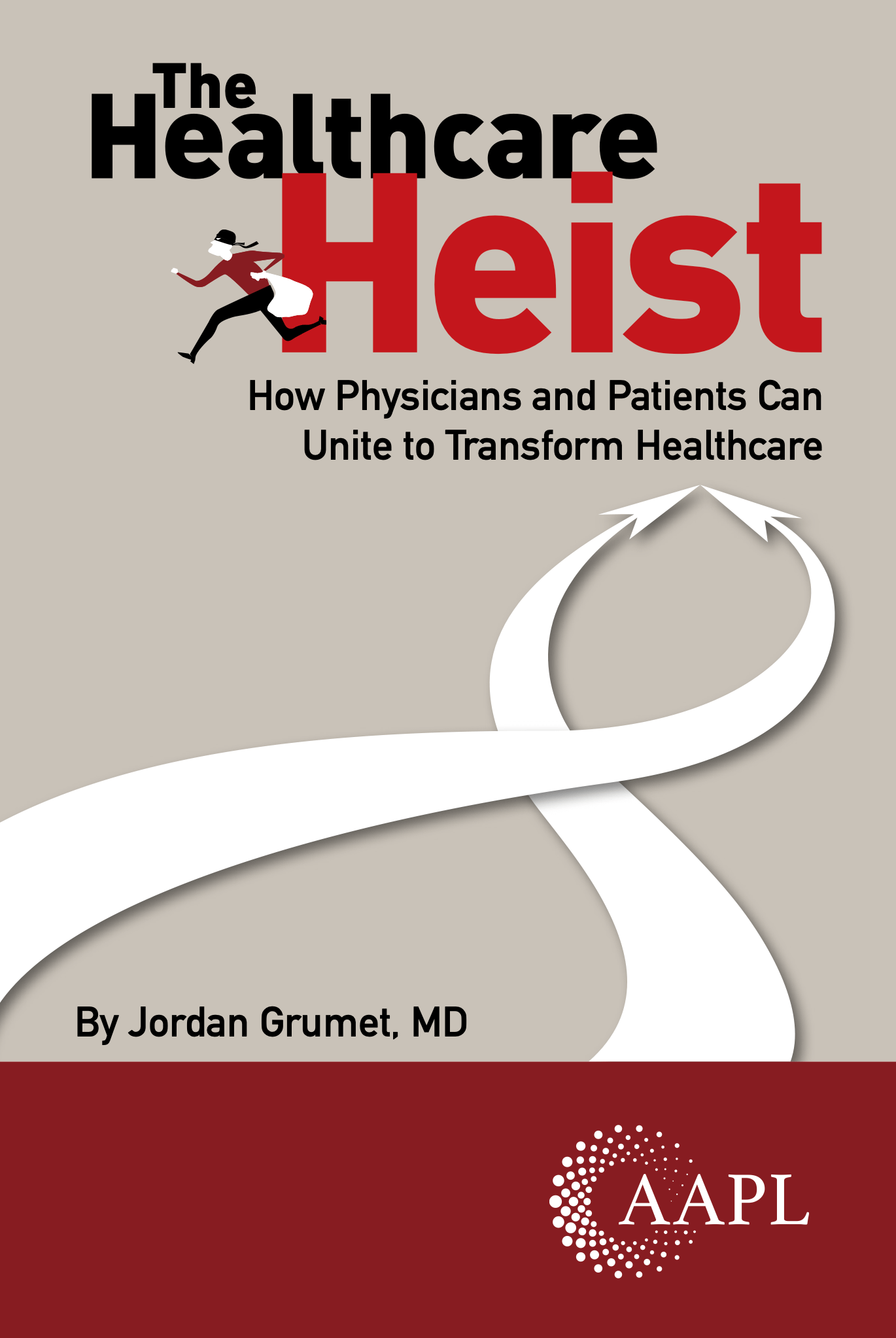
Coming soon! I am happy to announce that I have a new book coming out soon about our healthcare system. Stay tuned!
This was quite validating to read. I similarly have found running and meditation to be fkin game changers... totally changing the thoughts in my brain. Thanks
I find it very empowering to know that most of the time I have control over shifting out of a pessimistic mood through exercise and a good playlist like you mentioned - works just about every time!