

As we talked about in last Wednesday’s post, meaning is all about our past. It is how we cognitively interpret all the good and bad things that have happened in our lives. Happy people tend to see themselves as the heroes of their own stories while unhappy tend to see themselves as the victims. Meaning is all about this disconnect.
Let me give you an example from my own life.
My father died suddenly when I was seven years old. He had a brain aneurysm that suddenly burst. At the time, I was not only struggling in school with a learning disability, but was being teased almost everyday by my schoolmates because of my religion.
This was a shit-show. No question about it. But if you ask me how I feel about this time of my life, I will tell you that it was one of the most incredible and nurturing seasons of my existence.
My mothers presence—in my father’s absence—showed me that I was surrounded by people who loved me. My extraordinary hardship launched me in the direction of becoming a physician even though I had a learning disability. My tutor who helped me through my learning issues taught me how to create the good habits that allowed me to become a monster studier and eventually a writer.
Being a religious outsider set the tone for me to be sensitive to the differences between human beings and eventually start a podcast that celebrates those differences.
While I would never have asked for any of these things to happen to me, I can’t imagine how life would have been without them. I have become a product of both the good and bad. The hardships and the triumphs. And it is because of overcoming these issues that I look into the future with unbridled optimism and hope.
I see myself as the hero of my own story, and accordingly have learned to accept myself as enough. I no longer have to prove my worthiness in the present or the future. I was enough before, and I will be enough again. Thus when I look forward to the present and future (which are all about purpose), I feel confident that I will find my way.
The better question is what do you do if you are not like me? What do you do if, despite your best intentions, you feel like a victim of your past and you don’t know how to remedy the situation?
If that is the case, then there is something you can do to improve things. It’s a kind of therapy called narrative therapy.
And that will be the subject of the next Wednesday post.
Today’s Poll
Did you catch this week’s episode of Earn & Invest (Click to listen)?

From Facebook (On Handwritten Letters)
LOVED the episode with Amy Daughters! (I thought I was the only old-fashioned one left who wrote hand written notes
Path to Purpose Coaching
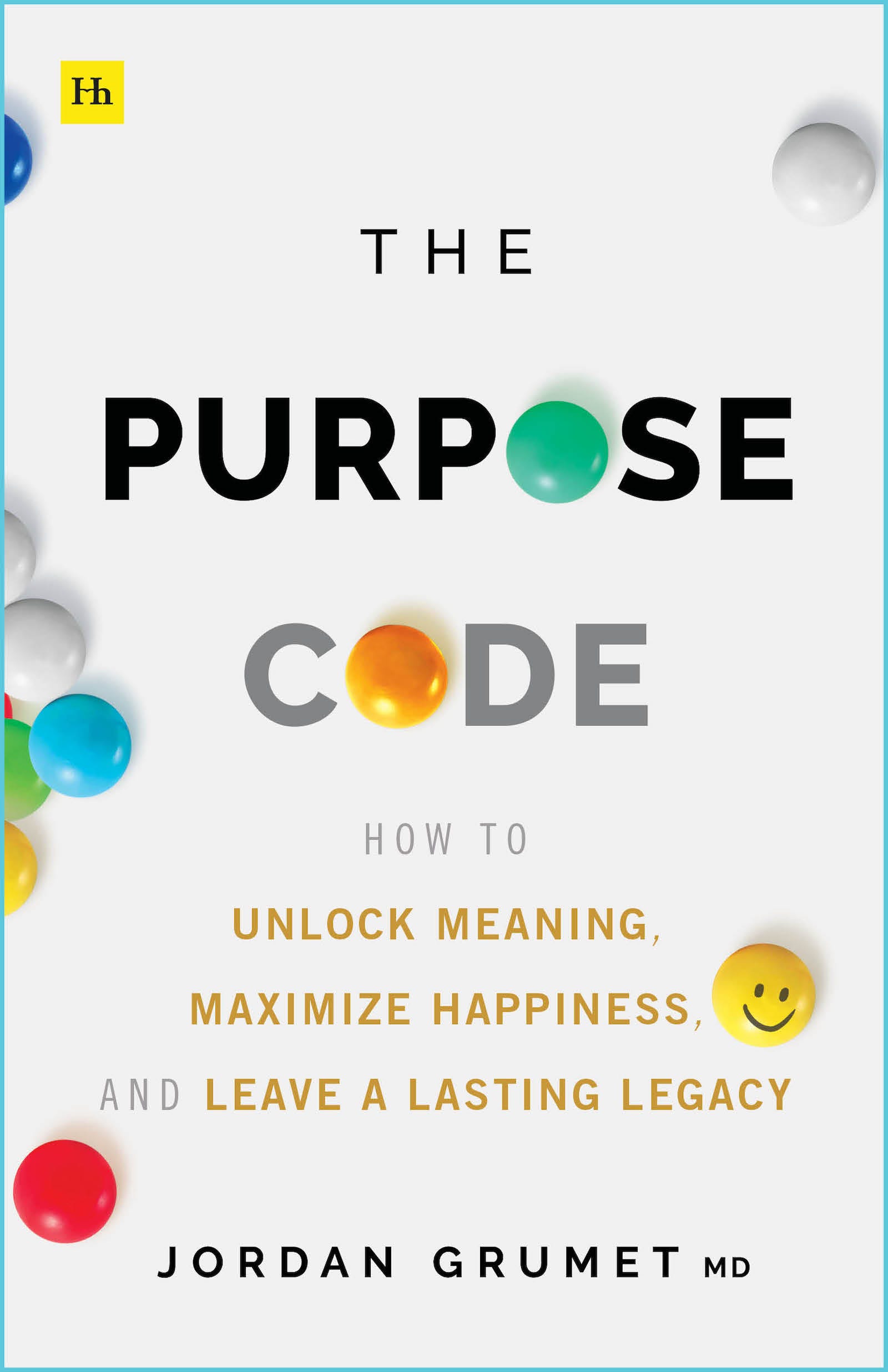
Over the last year, writing my new book The Purpose Code, I have spent a huge amount of time thinking about, writing about, and discussing purpose. I have offered one-on-one and group coaching to my mastermind group, Wealth With Purpose. These discussions stem from my real life encounters with dying hospice patients as well as the numerous interactions I have had with people after reading Taking Stock.
What I've found is that most of us who listen to the Earn & Invest Podcast struggle with three basic issues:
How do I define purpose in my life?
How do I transition to a more fulfilling career?
What is enough money look like? Enough life?
To help navigate these waters, I have decided to offer the Path to Purpose coaching program. This is one-on-one coaching with me to help you further define purpose, direction, and career. Sessions will be spread over five weeks with a goal to provide a more concrete and enjoyable path to crack the purpose code and start living your life now whether you are broke, pre financial independence, financially independent, or beyond.
https://www.earnandinvest.com/coaching