

Can Religion Be a Healthy Sense of Purpose?
When I talk about purpose—specifically the difference between "little p" purpose and "big P" Purpose—one question comes up a lot: Can religion be part of your purpose? And more importantly, can it foster a healthy sense of "little p" purpose?
The answer isn’t black and white. Religion can embody both big P Purpose and little p purpose, and the difference lies in how it’s practiced. Let’s break this down.
The Anxiety of Big P Purpose in Religion
Religion often sets a high bar for its followers. Many faiths encourage striving toward godliness, living up to divine standards, and following a higher calling. These aspirations can make religion a quintessential "big P" Purpose.
But here’s the problem: big P Purpose is often overwhelming. The idea of being "godly" or living up to perfection can feel unattainable, leading to a constant sense of falling short.
When religion becomes a source of big P Purpose, it can create anxiety. We measure ourselves against a lofty ideal and feel perpetually inadequate. The harder we try, the more we notice our imperfections. In this framework, religion becomes a treadmill of striving—a purpose that leaves us exhausted rather than fulfilled.
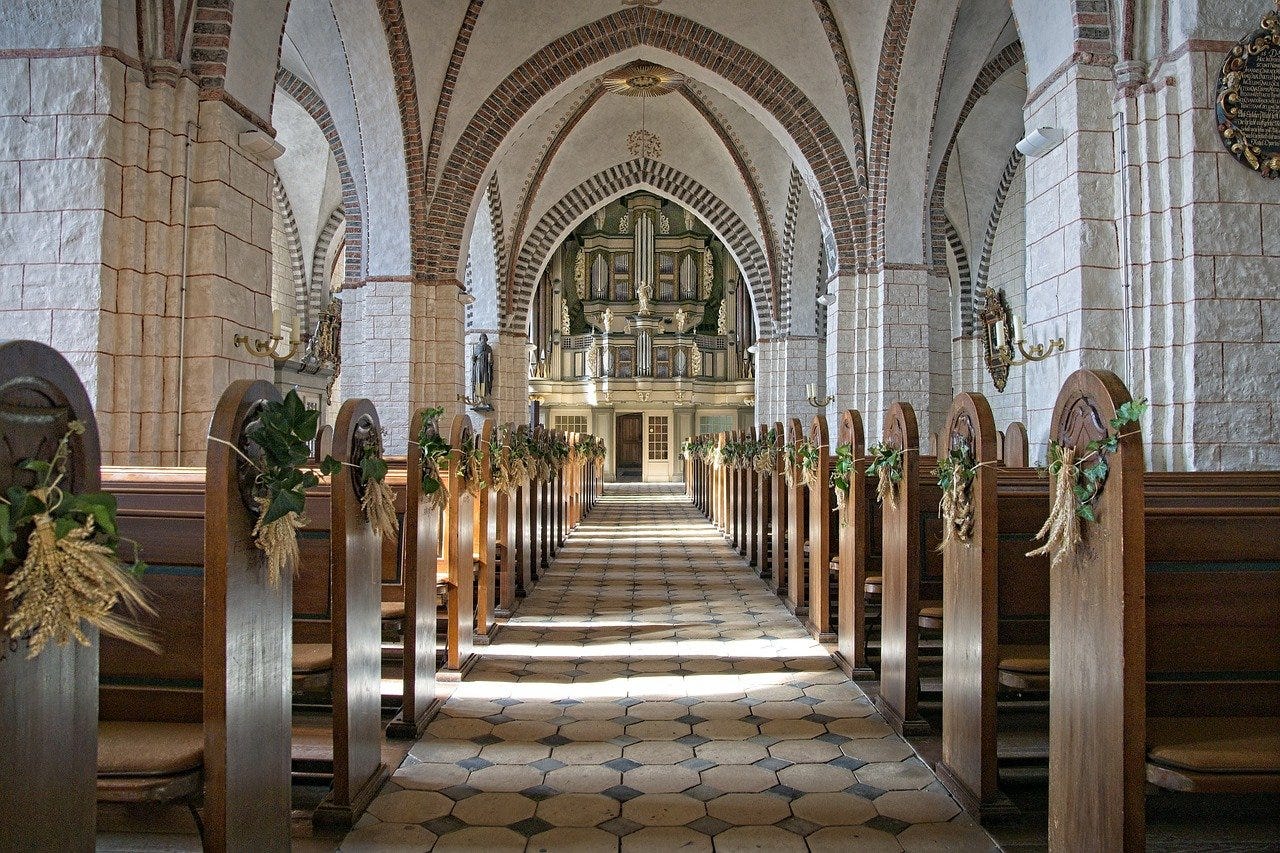
How Religion Can Be Little p Purpose
Now, let’s flip the script. Religion doesn’t have to be about striving for godliness. For many, it’s not about reaching a grandiose goal—it’s about the joy and fulfillment found in the process.
Consider this: some people simply love attending church or synagogue. They look forward to Saturday or Sunday morning prayers, connecting with their community, and participating in rituals that ground them. They’re not focusing on becoming godly or achieving spiritual perfection; instead, they’re embracing the everyday moments that bring connection and joy.
This is little p purpose in action. It’s rooted in process, not outcomes. These individuals find meaning in the act of showing up, in sharing space with like-minded people, and in contributing to something greater than themselves.
When religion is practiced this way—as a series of intentional, fulfilling actions—it can absolutely be a healthy sense of purpose.
Goals vs. Process
This distinction—between goals and process—is key to understanding the role religion (or anything else) plays in our lives.
Big P Purpose is goal-oriented. It’s about reaching something grand, often something unattainable. When our sense of purpose depends on achieving these huge milestones, it can leave us feeling unworthy, especially if those goals are vague or perpetually out of reach.
Little p purpose, on the other hand, is process-driven. It’s about finding fulfillment in the doing, not just the achieving. Whether that’s attending a weekly service, volunteering, or singing in the choir, the emphasis is on enjoying the journey and connecting with others along the way.
The same activity—religion, in this case—can embody either big P Purpose or little p purpose. It all depends on the approach.
A Takeaway for Life
Religion isn’t the only area where this distinction applies. Many of the things we do regularly can align with either big P Purpose or little p purpose, depending on how we engage with them.
The lesson here is simple: if something sets up massive, unattainable goals, it’s likely to create stress rather than fulfillment. But if it encourages us to enjoy the process, connect with others, and live intentionally, it can foster a healthy sense of purpose.
Let’s Talk Purpose (In Person!)
Speaking of purpose, I’m thrilled to announce a personal finance meetup in New York City on December 12th at Pianos Bar in Lower Manhattan. It’s a chance to connect with like-minded people, share ideas, and enjoy the process of building community—exactly what little p purpose is all about.
Hope to see you there!
